
FOR THE LAST DECADE, THIS HAS BEEN AT THE CENTER OF MY WORK
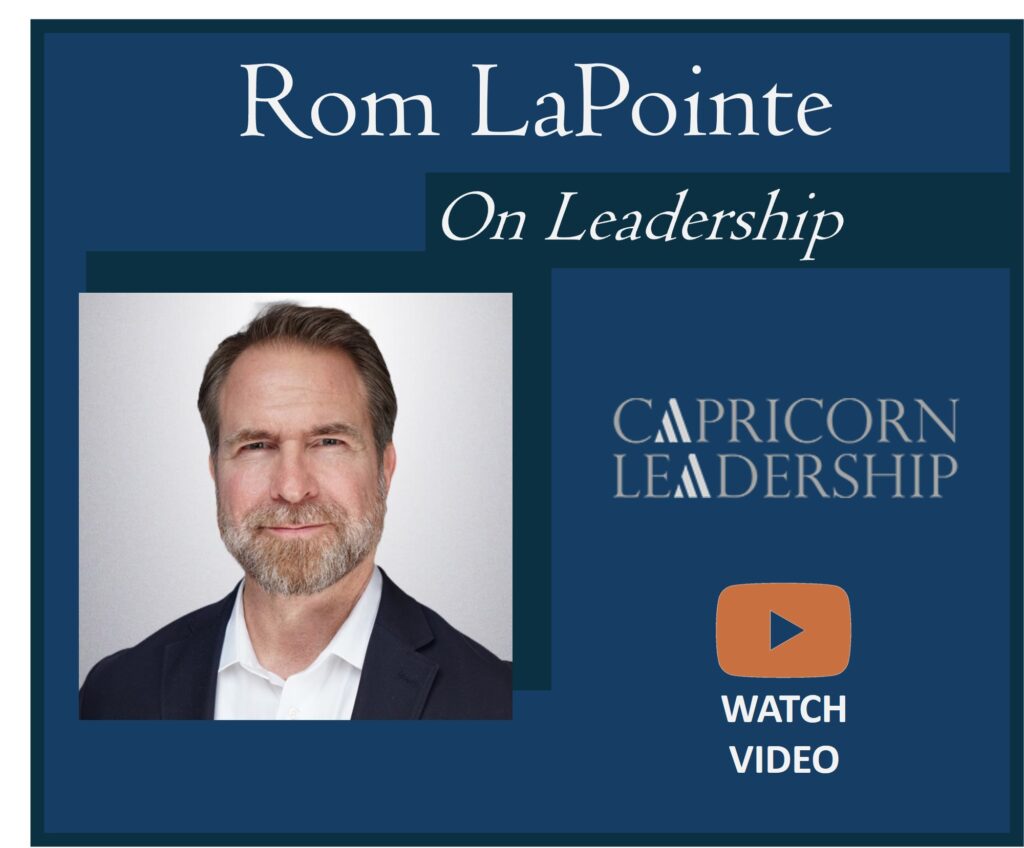
My focus has been on helping senior leaders, CEOs, boards, and entire organizations strengthen the teams at the top so they can execute their vision with clarity, alignment, and purpose. A healthy organization doesn’t happen by accident. It’s built—intentionally, consistently, and over time—by leaders who understand that the quality of their leadership team determines the quality of everything else.
At Capricorn Leadership, this is our core belief: your leadership team is your greatest strategic asset. When that team is cohesive, aligned, and culturally strong, the entire organization feels it. When it’s not, the organization feels that too.
This question—What does it take to build and continually refine your top leadership team?—isn’t theoretical for me. It’s the work I do every day, and it’s the work I believe every CEO must take seriously if they want a healthy, high‑performing organization.
Leadership Teams Don’t Become Great by Accident
Many founders and visionaries don’t naturally gravitate toward work on teams and organizational health. They’re idea‑driven, future‑focused, and often prefer to stay in the realm of innovation rather than people leadership. That’s why some systems encourage pairing the visionary with an integrator or president who runs the day‑to‑day.
There’s nothing wrong with that model.
But I’ve had the privilege of working with many CEOs who want to lead their teams directly—who want to set the tone, shape the culture, and build the leadership capacity around them. And when they do, the organization becomes stronger, more adaptable, and more aligned.
Because whether the room is virtual or physical, the leader sets the tone for what’s acceptable, what’s expected, and what healthy looks like.
The CEO’s Real Job: Curating and Elevating the Leadership Team
There’s a lot of noise in the media right now about “founder mode,” about eliminating one‑on‑ones, about stripping leadership down to its bare minimum. And while there’s no one‑size‑fits‑all approach, the leaders who come to Capricorn Leadership tend to be running mature, second‑stage businesses. They’re navigating complexity, growth, and change. They need teams that are:
- aligned
- cohesive
- adaptable
- culturally strong
- strategically focused
That doesn’t happen by accident. It happens because the CEO is actively thinking about the fit, function, and future of their leadership team.
Jim Collins famously said, “Right people, right seats.” He’s right. But most of my clients already have a bus, already have a direction, and already have a team. The work is figuring out:
- Are we aligned on where we’re going?
- Do we have the right people for the culture we want?
- Do we have the right structure for the strategy ahead?
- Are people in roles where they can truly excel?
Culture First, Competence Second
When I think about “right people, right seats,” I start with culture. Not culture fit—culture strength. A strong culture isn’t about sameness. It’s about clarity. It’s about defined behavioral expectations, core values that actually mean something, and a shared understanding of what healthy looks like here.
If those things aren’t clear, the CEO has work to do:
- Define the culture
- Teach it
- Hire for it
- Onboard to it
- Hold people accountable to it
Once culture is clear, then we look at competence. What does the role truly require? What results matter? How is time being spent? What metrics define success?
When someone strengthens the culture and performs well in the role, you have the right person in the right seat. But as organizations grow, sometimes the right people outgrow the seat—or the seat outgrows them. That’s normal. It’s navigable. And it’s part of the ongoing work of leadership.
The Leadership Team Sets the Tone for the Entire Organization
This is the heart of it: The performance, cohesion, and alignment of the leadership team determine the performance, cohesion, and alignment of the entire organization. When the team at the top is healthy, the organization becomes healthy. When the team at the top is fractured, unclear, or misaligned, the organization mirrors that.
This is why the CEO’s most important job is not strategy, not innovation, not even vision.
The CEO’s most important job is building and sustaining a cohesive leadership team.
Everything else flows from that.
This Is My Focus
My work—our work at Capricorn Leadership—is about helping leaders and leadership teams reach their maximum potential through:
- strategic execution
- cultural strength
- innovation
- alignment
But at the core, it’s about people. The people you surround yourself with. The people who surround you. The people who will help you turn your vision into reality.
A healthy leadership team is not a luxury. It’s not a “nice to have.” It’s the foundation of a healthy organization. And the work is ongoing.
…

Contact Capricorn Leadership
As leaders, we are constantly challenged to grow. Make a difference in your life, the lives of your employees, and take your company to the next level.
To find out more, contact Rom LaPointe.